

Our Blog
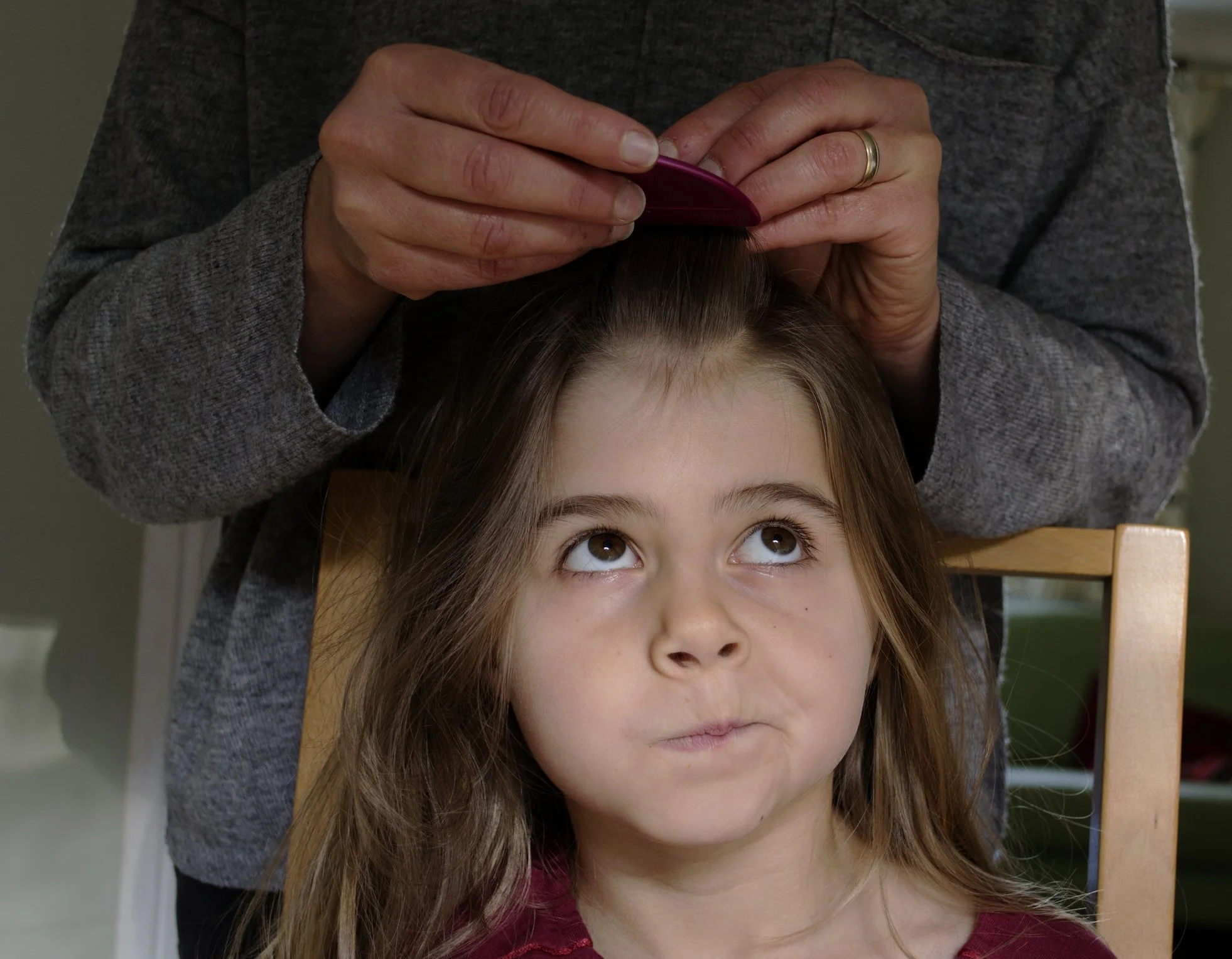
The Real Cost of DIY Lice Treatments
When parents find lice, the first instinct is usually the same: run to the store, grab a “just in case” kit, and try to handle it at home. Professional treatment can feel like a splurge — something you hope to avoid if there’s a cheaper option sitting on a pharmacy shelf.
But here’s the hard truth: DIY lice treatments are one of the most expensive ways to deal with lice, even when the box price looks low.

Lice Don't Quit During Flu Season
When flu season is in full swing, lice symptoms can be easy to miss. Keep an eye out for increased head scratching, complaints of itching or tickling on the scalp, or irritation behind the ears or along the neckline.
Adding quick head checks to your routine — especially if your child has been around classmates, teammates, or siblings — can help catch lice early before they spread further.
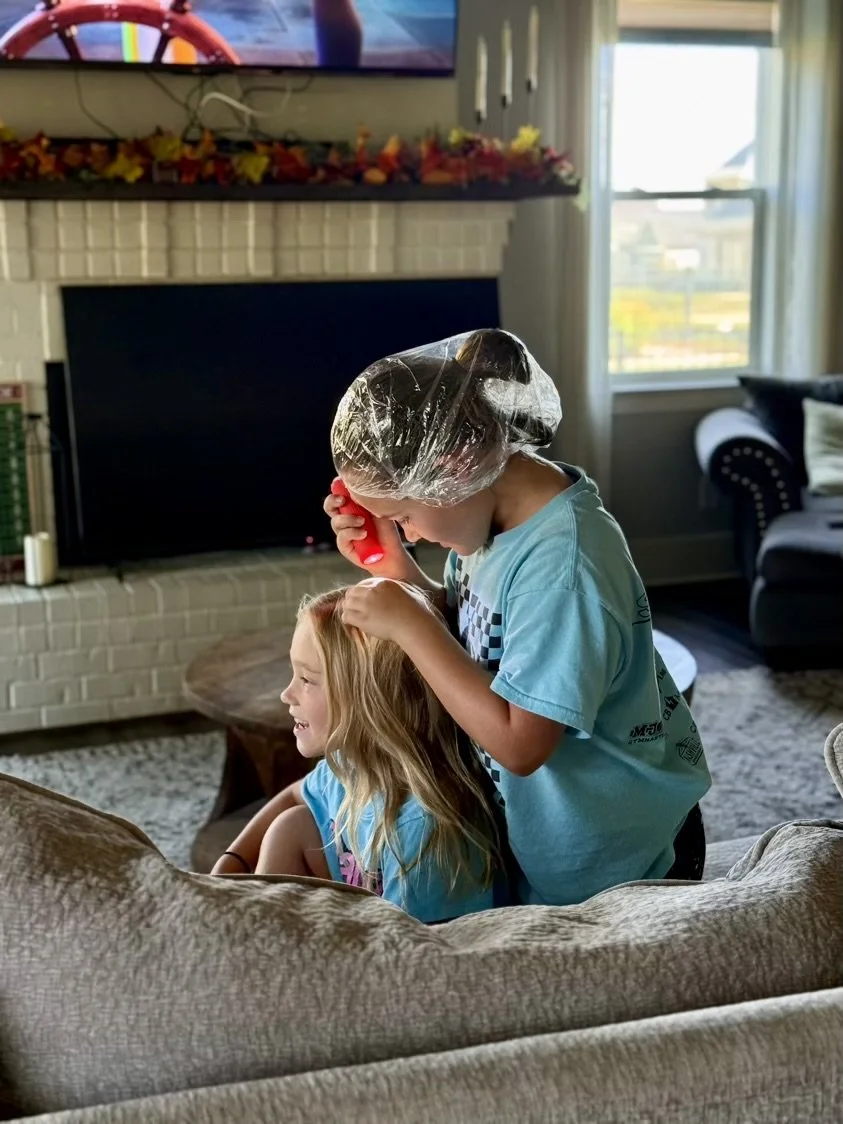
How to Prevent Lice From Coming Back After Treatment
Even after a successful lice treatment, families often worry about lice returning. With the right strategies, you can keep heads lice-free and prevent repeat outbreaks. This guide is designed for parents, schools, and childcare providers looking for effective lice prevention tips that really work.

What to Do When Your School Has a Lice Outbreak
Head lice happen, and you’re definitely not alone. These tiny bugs love to make themselves at home on the scalp, but the good news is they’re completely treatable and don’t spread disease.

How Parents Can Prepare for Back-to-School Head Lice Season
August means back-to-school shopping lists, new backpacks, and fresh school supplies. But while you're preparing for the academic year ahead, there's one more thing that deserves a spot on your preparation checklist: head lice prevention.
Before you panic, know this: head lice are incredibly common, affecting 6-12 million children each year in the United States. They're not a sign of poor hygiene or cleanliness, they're simply a fact of life when kids spend time together in close quarters. The key is being prepared, knowing what to look for, and having a plan if an outbreak occurs.

Let’s Talk About Head Lice (It’s More Common Than You Think!)
Head lice happen, and you’re definitely not alone. These tiny bugs love to make themselves at home on the scalp, but the good news is they’re completely treatable and don’t spread disease.